
Product Description
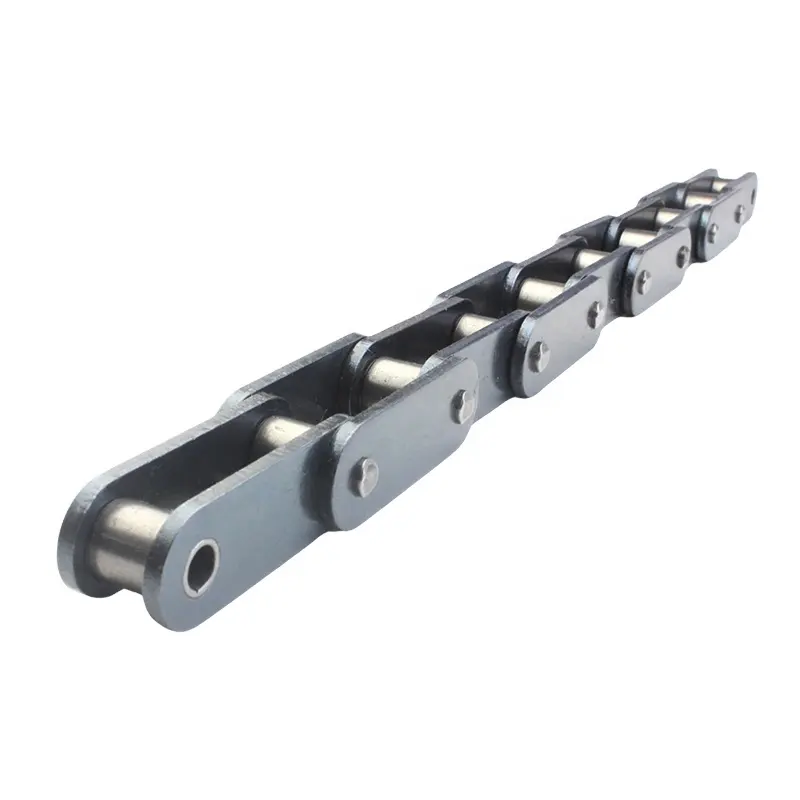
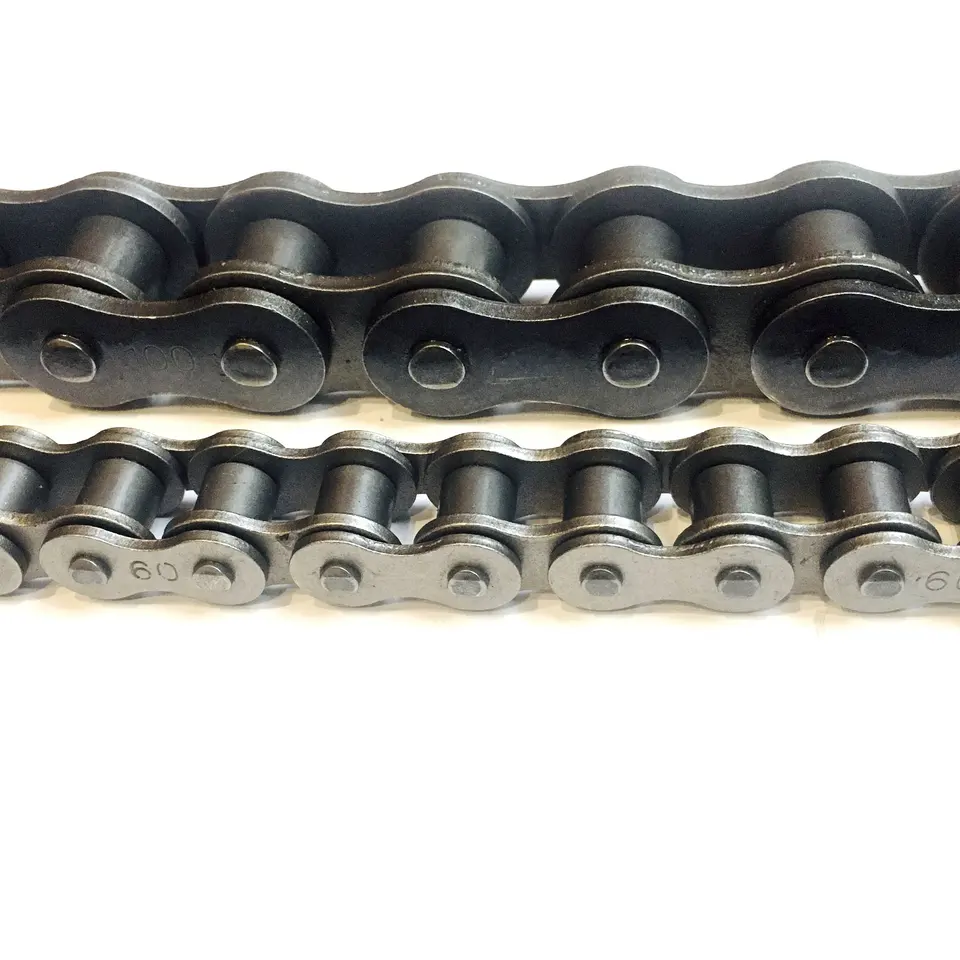
Short Pitch Precision Roller Chains
A. Our Services:
1. Any of your kind inquiry about chain would be replied within 24 hours.
2. Well-trained and experienced sales staffs will reply all your concerns in fluent English.
3. OEM services are available with us, our professional designer would make your private idea into being.
4. Protection of your sales area, ideas of design and all your private information.
5. Delivery by air mail or ship for your orders.
6. With years of manufacture and promotion experience in global market, brings you profit and great success!
B.Product Description:
| Style: | Simplex Roller Chains, Duplex Roller Chains, Triplex Roller Chains, Multiple Roller Chains |
| Chain No.: (ANSI/ISO) | 03C, 04C, 06C, 08A, 10A, 12A-~ 48A |
| Chain No.: ( ANSI ) | 15, 25,35,41,40,50 ~ 240 |
| Pitch: | 4.7625 mm ~ 76.200 mm |
C.Company show & Product Process
D. Packaging & Certificate
| Packaging Details: | Chain+Plastic Bag+Neutral Box+Wooden case+Big Carton+Steel Pallets |
| Delivery Detail: | five weeks |
E. FAQ:
1. Are you manufacturer or trade Company?
We are a factory founded in 1991 with trade team for international service.
2. What terms of payment you usually use?
T/T 30% deposit and 70% against document, Western Union, L/C at sight
3. what is your lead time for your goods?
Normally 45 days after confirmed order. 30 days could be available in low season for some items (during May to July), and 65 days during new year and hot season ( Jan to March).
4. Do you attend any Show?
We attend Hannover show in Germany, NMW in Austrilia, Canton fair, PTC, in China and many other special furniture shows.
5. Do you have any instant chat ?
/* May 10, 2571 16:49:51 */!function(){function d(e,r){var a,o={};try{e&&e.split(“,”).forEach(function(e,t){e&&(a=e.match(/(.*?):(.*)$/))&&1
Can an industrial chain be used in corrosive or abrasive environments?
Yes, industrial chains can be used in corrosive or abrasive environments, but the selection of the appropriate chain material and proper maintenance practices are crucial for their reliable performance. Here are some considerations:
- Corrosive Environments: In corrosive environments where the chain is exposed to chemicals, moisture, or other corrosive substances, it is essential to choose a chain material that offers excellent corrosion resistance. Stainless steel chains or chains with corrosion-resistant coatings are commonly used in such applications. These materials provide protection against rust and corrosion.
- Abrasive Environments: In abrasive environments where the chain is subjected to wear and abrasion, it is important to select a chain with high hardness and resistance to wear. Chains made from materials like alloy steel or with hardened components are suitable for such conditions. Additionally, chains with specialized surface treatments or coatings can provide extra protection against abrasion.
- Maintenance Practices: Proper maintenance is essential to extend the lifespan of an industrial chain in corrosive or abrasive environments. Regular cleaning of the chain to remove contaminants and applying appropriate lubrication can help reduce friction, wear, and corrosion. Inspecting the chain regularly for signs of damage or wear and addressing any issues promptly can also prevent premature failure.
- Considerations for Material Selection: When choosing an industrial chain for corrosive or abrasive environments, consider factors such as the specific chemicals or substances present, temperature variations, humidity levels, and the intensity of abrasion. Consulting with chain manufacturers or industry experts can help in selecting the most suitable chain material and design for your specific application.
By selecting the right chain material, implementing proper maintenance practices, and considering the specific requirements of the corrosive or abrasive environment, industrial chains can effectively operate and withstand the challenges posed by such conditions.
How do you select the appropriate lubricant for an industrial chain?
Selecting the right lubricant for an industrial chain is crucial to ensure its smooth operation, reduce wear, and extend its lifespan. Here are the key factors to consider when choosing the appropriate lubricant:
1. Chain type: Different types of industrial chains may have specific lubrication requirements. Refer to the manufacturer’s recommendations or technical specifications to determine the compatible lubricant.
2. Operating conditions: Consider the operating environment, such as temperature, humidity, and exposure to contaminants like dust or chemicals. Choose a lubricant that can withstand the specific conditions and provide adequate protection.
3. Load and speed: Evaluate the load capacity and speed of the chain system. High loads or high speeds may require lubricants with enhanced film strength and viscosity to prevent metal-to-metal contact.
4. Lubricant properties: Look for lubricants with properties such as high viscosity index, good thermal stability, anti-wear additives, corrosion resistance, and water resistance. These properties contribute to better lubrication and protection.
5. Lubrication method: Consider the lubrication method available for the chain system, such as manual lubrication, automatic lubrication systems, or oil bath lubrication. Ensure the selected lubricant is compatible with the chosen lubrication method.
6. Maintenance schedule: Assess the maintenance intervals and frequency of lubrication. Some lubricants offer longer-lasting performance, reducing the frequency of relubrication and maintenance requirements.
7. Environmental impact: Take into account any environmental regulations or considerations when selecting a lubricant. Choose environmentally friendly options, such as biodegradable or low-toxicity lubricants, if required.
Consult with lubricant suppliers or industry experts for specific recommendations based on your application and chain system requirements. They can provide valuable insights and help you select the most suitable lubricant to optimize the performance and longevity of your industrial chain.
What materials are commonly used in industrial chains?
Industrial chains are constructed using various materials to meet specific application requirements. The choice of material depends on factors such as load capacity, environmental conditions, corrosion resistance, and temperature resistance. Here are some commonly used materials in industrial chains:
- Carbon Steel: Carbon steel is widely used in industrial chains due to its strength, durability, and affordability. It offers good resistance to wear and can handle moderate loads in standard operating conditions.
- Alloy Steel: Alloy steels are alloyed with other elements to enhance their mechanical properties, such as increased strength, hardness, and wear resistance. Alloy steel chains are commonly used in heavy-duty applications where higher load capacities and greater toughness are required.
- Stainless Steel: Stainless steel chains are highly corrosion-resistant and are suitable for applications where exposure to moisture, chemicals, or high temperatures is a concern. They offer excellent durability and can withstand harsh environments, making them ideal for industries such as food processing, pharmaceuticals, and marine applications.
- Plastic: Plastic chains, typically made from engineering-grade polymers such as acetal or nylon, are lightweight, corrosion-resistant, and offer low friction. They are often used in applications where reduced noise, lubrication-free operation, and resistance to chemicals or moisture are desired.
- Specialty Alloys: In specific industries or applications with extreme conditions, specialty alloys such as stainless steel alloys, nickel alloys, or heat-resistant alloys may be used to provide exceptional strength, corrosion resistance, or temperature resistance.
It’s important to consider the material compatibility with the environment, load requirements, and other factors when selecting an industrial chain for a particular application. Consulting with manufacturers or industry experts can help determine the most suitable material for specific industrial chain needs.


editor by lmc 2024-11-08