
Product Description
Products Collection
Product Description
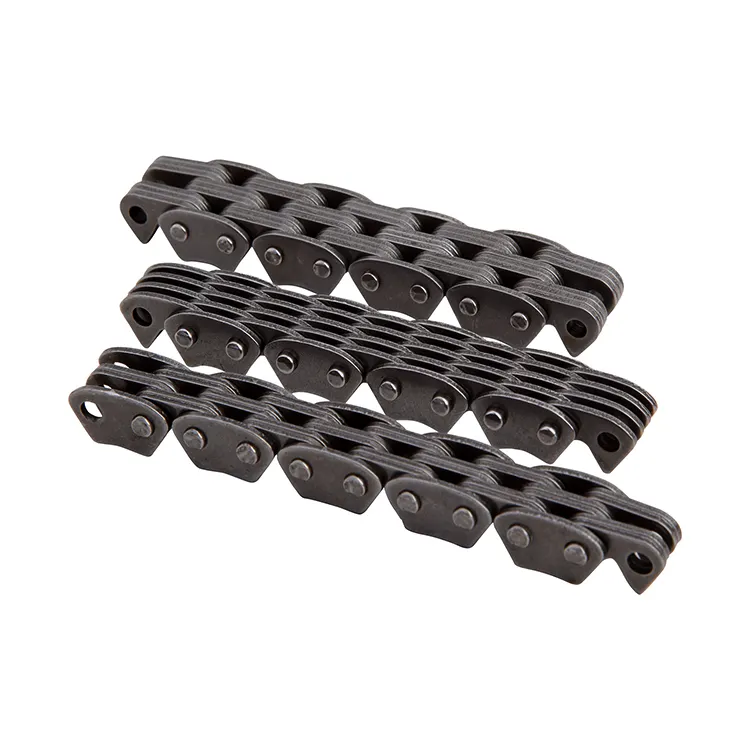
QLV silent chains are our top-of-the-line solution for your power transmission needs. These chains are designed to offer exceptional performance, efficiency, and noise reduction for machine running.
These chains are made from high-strength steel, with linked plates and pins that fit together tightly to minimise noise and vibration during operation. They can transfer power more effectively than other chains without sacrificing noise reduction
When you need a specific design, we can provide customised solutions based on what you need. Whether you require specific features, plans, materials, or specifications, our team can work to ensure you get a chain that fully meets your needs.
Are you looking for other chains?
Leave your message below, and feel free to contact us!
FAQ
| Question 1: Are you a Manufacturer or a Trading Company? |
| Answer: We are a 100% chain manufacturer with 23 years of experience |
| Question 2: What should I provide to get a quotation? |
| Answer: 1. Type of the chain (with photos if available) 2. Pitch of the chain 3. Width of the chain 4. Length and quantity of the chain 5. Other specific requirements |
| Question 3: How long is your manufacturing and delivery time? |
| Answer: Products are usually finished in 2 weeks, depending on the type and quantity. Also, please get in touch with us to check the delivery time to your destination. |
| Question 4: How long is your guaranteed time? |
| Answer: We offer a three-year guarantee if you purchase chains and matched sprockets together. If you need chains only, a one-year guarantee can also be confirmed. |
| Question 5: Trade terms and Payment terms? |
| Answer: We accept EXW, FOB, DDU, Door to Door. Payment terms, such as T/T, L/C, and Western Union, are acceptable. We also provide the service of Online Trading in this B2B platform. |
Company Profile
|
Shipping Cost:
Estimated freight per unit. |
To be negotiated |
|---|
| Standard or Nonstandard: | Standard |
|---|---|
| Application: | Textile Machinery, Garment Machinery, Conveyer Equipment, Packaging Machinery, Food Machinery, Marine, Mining Equipment, Agricultural Machinery |
| Material: | Carbon Steel |
| Samples: |
US$ 100/Meter
1 Meter(Min.Order) | Order Sample |
|---|
| Customization: |
Available
| Customized Request |
|---|
How do you prevent corrosion in industrial chains?
Preventing corrosion in industrial chains is essential to ensure their longevity and performance. Here are several measures that can be taken to prevent corrosion:
1. Material selection: Choose corrosion-resistant materials for the chain components. Stainless steel, specifically austenitic stainless steel grades, is highly resistant to corrosion and is commonly used in corrosive environments.
2. Coatings and surface treatments: Apply protective coatings or surface treatments to the chain components. These coatings can include zinc plating, galvanizing, chrome plating, or specialized corrosion-resistant coatings. These coatings create a barrier between the chain and the corrosive environment, preventing direct contact and inhibiting corrosion.
3. Lubrication: Proper lubrication is crucial in preventing corrosion. Lubricants create a protective film on the chain surface, reducing friction and preventing moisture and contaminants from reaching the metal. Use lubricants specifically designed for corrosion protection.
4. Regular cleaning and maintenance: Regularly clean and inspect the chains to remove any accumulated dirt, debris, or corrosive substances. Use appropriate cleaning agents and methods recommended for the specific chain material.
5. Environmental control: Control the environmental conditions to minimize exposure to corrosive elements. This can include implementing proper ventilation, reducing humidity levels, or installing protective barriers to shield the chains from direct contact with corrosive substances.
6. Proper storage: Store the chains in a clean, dry, and well-ventilated area to prevent exposure to moisture and corrosive agents. Use appropriate storage methods such as hanging or storing in containers to avoid contact with the ground or other potentially corrosive surfaces.
7. Regular inspections: Conduct regular inspections of the chains to detect any signs of corrosion or damage early. This allows for timely maintenance or replacement before the corrosion progresses and affects the chain’s performance.
8. Follow manufacturer’s guidelines: Always follow the manufacturer’s guidelines and recommendations for the specific chain type and application. They may provide additional instructions on preventing corrosion and maintaining the chain’s integrity.
By implementing these preventive measures, you can significantly reduce the risk of corrosion in industrial chains and ensure their long-term reliability and performance.
What safety precautions should be followed when working with industrial chains?
Working with industrial chains involves potential hazards, and it is important to follow proper safety precautions to prevent accidents and injuries. Here are some safety guidelines to consider:
- Training and Familiarization: Ensure that workers are properly trained in handling industrial chains, including understanding the risks involved and knowing how to operate, maintain, and inspect them correctly.
- Personal Protective Equipment (PPE): Wear appropriate PPE, such as safety glasses, gloves, and steel-toed shoes, to protect against potential hazards, including flying debris, pinch points, and sharp edges.
- Equipment Inspection: Regularly inspect the industrial chain, sprockets, and other related equipment for any signs of damage, wear, or misalignment. If any issues are found, repair or replace the components before using the chain.
- Proper Installation: Follow the manufacturer’s instructions and guidelines for proper installation of the industrial chain, including correct tensioning, alignment, and lubrication. Ensure that the chain is securely attached and that all connections and fasteners are properly tightened.
- Safe Operating Procedures: Adhere to safe operating procedures when using machinery or equipment with industrial chains. Avoid operating the machinery at excessive speeds or overloading the chain beyond its recommended capacity.
- Lockout/Tagout: When performing maintenance or repairs on machinery with industrial chains, follow lockout/tagout procedures to ensure the equipment is de-energized and cannot be accidentally started.
- Avoid Loose Clothing and Jewelry: Do not wear loose clothing, jewelry, or any other items that can get caught in the chain or machinery, posing a risk of entanglement.
- Emergency Stop Devices: Ensure that emergency stop devices are easily accessible and functional to quickly halt the machinery in case of an emergency or entanglement.
- Regular Maintenance: Implement a regular maintenance program to inspect and maintain industrial chains, including lubrication, tensioning, and replacing worn or damaged components.
It is crucial to consult and follow all relevant safety regulations and guidelines specific to your industry and location. Additionally, fostering a safety-conscious work environment, providing proper training and supervision, and promoting a culture of safety awareness among workers can contribute to the prevention of accidents and injuries when working with industrial chains.
How do you properly tension an industrial chain?
Tensioning an industrial chain is a critical step to ensure its proper functioning and longevity. Here are the steps to properly tension an industrial chain:
- 1. Check the manufacturer’s specifications: Refer to the manufacturer’s guidelines or technical documentation to determine the recommended tension range for your specific industrial chain.
- 2. Identify the tensioning points: Locate the appropriate tensioning points on the industrial chain system. These are typically found near the chain’s drive sprocket or pulley.
- 3. Loosen the tensioning device: If there is an existing tensioning device, such as an adjusting bolt or tensioning screw, loosen it to create slack in the chain.
- 4. Apply tension: Apply tension to the chain by either moving the tensioning device or adjusting the position of the chain’s drive sprocket or pulley. The goal is to remove any slack in the chain while maintaining it within the recommended tension range.
- 5. Verify tension: Once the tension is applied, check the tension using a tensioning tool or by applying a moderate force to the chain at a midpoint between the sprockets. The chain should have a slight amount of deflection but should not sag or be excessively tight.
- 6. Lock the tensioning device: Once the proper tension is achieved, secure the tensioning device in place to maintain the tension. This may involve tightening the adjusting bolt or screw or using a locking mechanism specific to your tensioning device.
- 7. Recheck and readjust: After a period of operation, recheck the chain’s tension to ensure it remains within the recommended range. If necessary, make further adjustments to maintain proper tension.
It’s important to follow the manufacturer’s recommendations and guidelines for tensioning procedures specific to your industrial chain. Proper tensioning ensures optimal performance, reduces wear and elongation, and prevents excessive stress on the chain and its components.


editor by CX 2023-08-21