
Product Description
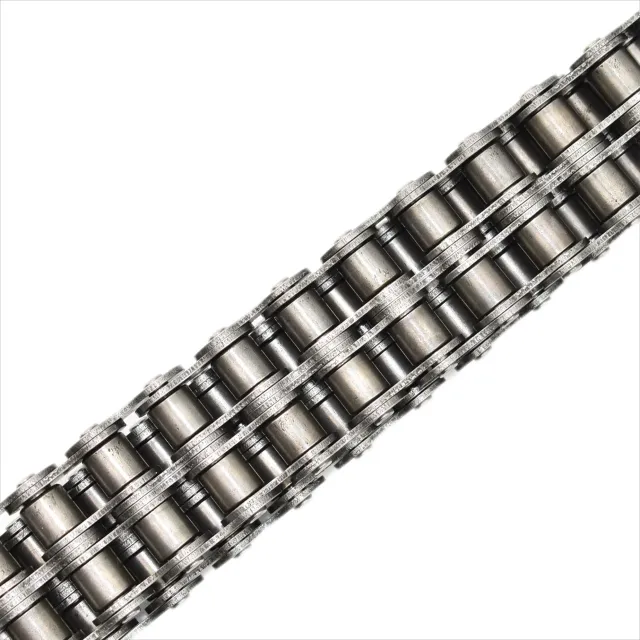
Stainless Steel Transmission Chain, Stainless Steel Roller Chain, Stainless Steel Conveyor chain, Stainless steel chains for bottle conveyor line which is used on bottle filling conveyor lines, other standard ss chain or special ss chain(SS304 chains, SS316 chains, SS316L chains, SS conveyor chains, SS304 conveyor chain, SS316 conveyor chain) all available
We have special technolodgy to arrange more hardness on SS chains plate as per the request of famous chains factory in Europe
We have many OEM chain factory customer from Europe and our stainless steel chain quality is similar to the A quality in the world
We are professional supplier of chains:
1. Bicycle chain: 408, 410, 415
2. Motorcycle chain: 04C, 25H, 06C, T3, 270H, 415H, 420, 420L, 425, 428, 428H, 520,
525, 530
3. ASA roller chain: 35, 40, 41, 50, 60, 60H, 80, 80H, 100, 120, 140, 160, 200, 240
(Catalog)
4. Chain (British standard): 05-B, 06-B, 08-B, 10-B, 12-B, 16-B, 20-B, 24-B, 28-B,
32-B, 40-B (Catalog)
5. Large pitch chains: 100, 100H, 120, 120H, 140, 140H, 160, 160H, 180, 200, 240
6. Extend-pitch precision roller chain: 208A, 208B, 210A, 210B, 212A, 212B, 216A,
216B, 220A, 220B, 224A, 224B, 228B, 232B
7. Roller chains for beer buntline conveyor: CK-70S, CK-100S, CK-100SA, CK-100SC, CK-133XA,
CK-140X, CK-140XA, CK-150X, CK-150S, CK-154X, CK-155X, CK-155XA, CK-160X, CK-160XA, CK-160XB, CK-160XC, CK-165X, CK-165XA, CK-169, CK-180X, CK-180XA, CK-200S, CW-102, CW-127
8. Implement roller chains for conveyors: 81X, 81XH, 81XHH, CA550, CA555, CA620
9. Multi strand sizes available; Up to 5 strands, for select size standard attachment
Available
10. Chains from 04b~16b are with spring clips, others are riveted; Cottered design
Is available for size 80 to 240
11. Stainless steel chain and nickel plated chains is available; Special design also available
(i. E., oven conveyor) and we can produce as per material your requests, usually stainless steel chain material is SS304, if you need SS316 or SS316L etc. It is available too
Our conveyor chains are as following items:
Short pitch, double pitch conveyor roller chain:
1)European standard short pitch roller conveyor accessories: A1 – WSK2
2)European Standard Short Pitch Hollow Pin Chains and accessories: 08BHP – 12BHP
3)European standard short pitch bending roller conveyor: 08BSB, 10BSB, 4)12BSB
4)European standard double pitch conveyor chain: C208B – C232BL
5)American Standard Short pitch conveyor chain attachments: A1 – WSK2
6)American Standard Short Pitch Hollow Pin Chain: 40HP – 80HP
7)American Standard short pitch bending roller conveyor: 35SB – 80SB
8)American Standard Double pitch conveyor roller: C2040 – C2162H
9)American Standard Double pitch conveyor roller attachment: A1 – WSK2
10)American standard double pitch hollow pin chain: C2040HP – C2082HP
11)American Standard Double pitch conveyor roller scoliosis: C2040SB, C2050SB, C2060SB
12)American standard double pitch conveyor roller Plastic Large: C2042D – C2102HD
13)American Standard controllable beat conveyor (speed chain): C2030VR – C2080VR
14)American Standard side-mounted conveyor roller (short pitch double pitch): 40PSR – 100PSR; C2040PSR – C2100PRS
15)American Standard overhead plastic roller conveyor chains (short pitch, double pitch and long pitch): 40TR – 100TR; C2040TR – C2100TR
| Material: | Alloy |
|---|---|
| Structure: | Roller Chain |
| Surface Treatment: | Polishing |
| Chain Size: | 1/2"*11/128" |
| Feature: | Fire Resistant, Oil Resistant, Heat Resistant |
| Usage: | Transmission Chain, Drag Chain, Dedicated Specia |
| Customization: |
Available
| Customized Request |
|---|
What are the safety measures for working with heavy-duty industrial chains?
Working with heavy-duty industrial chains requires adherence to proper safety measures to ensure the well-being of personnel and the prevention of accidents. Here are some key safety measures to consider:
- Personal protective equipment (PPE): Operators and personnel working with industrial chains should wear appropriate PPE, including safety goggles, gloves, steel-toed boots, and protective clothing, to protect against potential hazards.
- Training and education: Ensure that all individuals involved in working with industrial chains receive proper training and education on safe operating procedures, equipment handling, and maintenance practices. This includes understanding the specific risks and hazards associated with heavy-duty chains.
- Machine guarding: Implement machine guarding measures to prevent accidental contact with moving chain components. This may include installing barriers, safety covers, or interlocking devices to prevent unauthorized access to the chain and related machinery.
- Proper installation: Follow manufacturer guidelines and recommendations for the proper installation of heavy-duty industrial chains. Improper installation can lead to chain failure or accidents during operation. Ensure that chains are correctly tensioned, aligned, and securely fastened.
- Maintenance and inspection: Regularly inspect and maintain the industrial chains to identify any signs of wear, damage, or fatigue. Replace worn or damaged components promptly to prevent chain failure. Follow a maintenance schedule that includes lubrication, tension adjustment, and inspection of chain links, sprockets, and other relevant parts.
- Lockout/tagout procedures: Establish lockout/tagout procedures to ensure that industrial chains are de-energized and secured before performing maintenance, repair, or adjustment tasks. This helps prevent accidental startup or movement of the chain during work.
- Risk assessment: Conduct a comprehensive risk assessment of the work environment to identify potential hazards associated with heavy-duty industrial chains. Implement appropriate control measures to mitigate the identified risks.
- Emergency preparedness: Have emergency protocols in place, including clear evacuation routes, accessible emergency stop buttons, and proper communication channels to respond quickly to any incidents or accidents involving industrial chains.
It is essential to follow local safety regulations, industry standards, and manufacturer recommendations specific to the heavy-duty industrial chains being used. Regular safety training, awareness, and ongoing monitoring of the work environment contribute to a safe and productive operation involving industrial chains.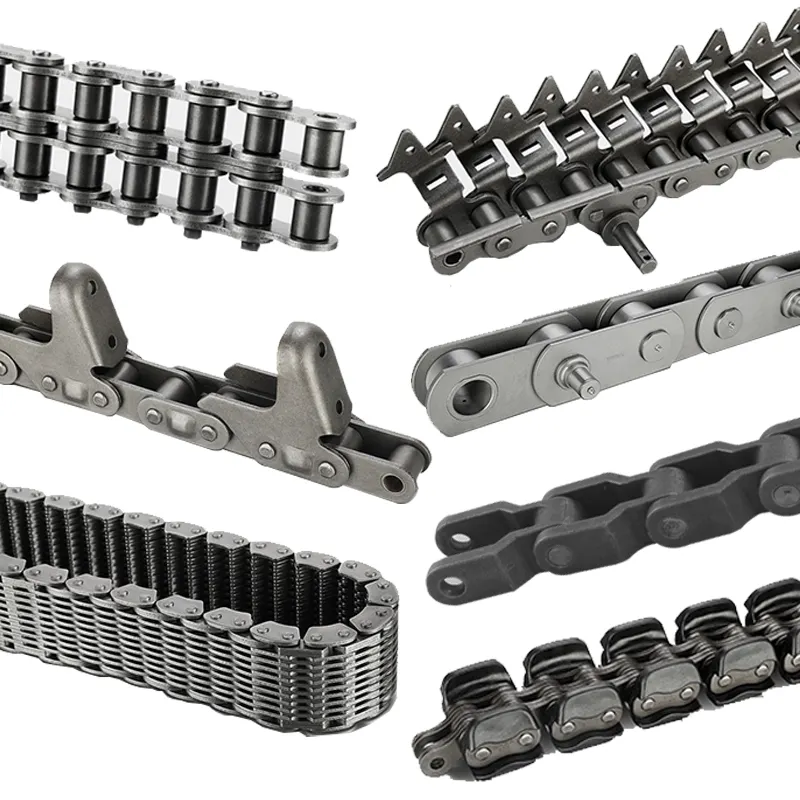
Can an industrial chain be used for vertical lifting applications?
Yes, industrial chains can be used for vertical lifting applications. However, several factors need to be considered to ensure safe and efficient lifting operations:
- Chain type and strength: The industrial chain selected for vertical lifting applications must have the appropriate strength and load capacity to safely lift the intended load.
- Safety factors: It is crucial to consider the safety factors and ensure that the selected chain is capable of handling the maximum expected load without exceeding its rated capacity.
- Overhead clearance: Sufficient overhead clearance is necessary to accommodate the length of the chain and prevent any obstructions during the lifting process.
- Proper tensioning: The chain must be properly tensioned to prevent slippage or excessive slack, which can compromise the lifting operation.
- Guidance and control: Proper guidance and control mechanisms should be in place to ensure smooth and controlled vertical movement of the load.
- Maintenance and inspection: Regular maintenance and inspection of the chain are essential to identify any signs of wear, damage, or fatigue that may compromise its integrity and lifting capability.
It is important to consult industry standards, regulations, and specific manufacturer guidelines to determine the suitability of an industrial chain for a vertical lifting application. Additionally, working with experienced professionals and following established safety protocols is crucial to ensure the safe and effective use of the industrial chain in lifting operations.
Can an industrial chain be repaired or does it need to be replaced entirely?
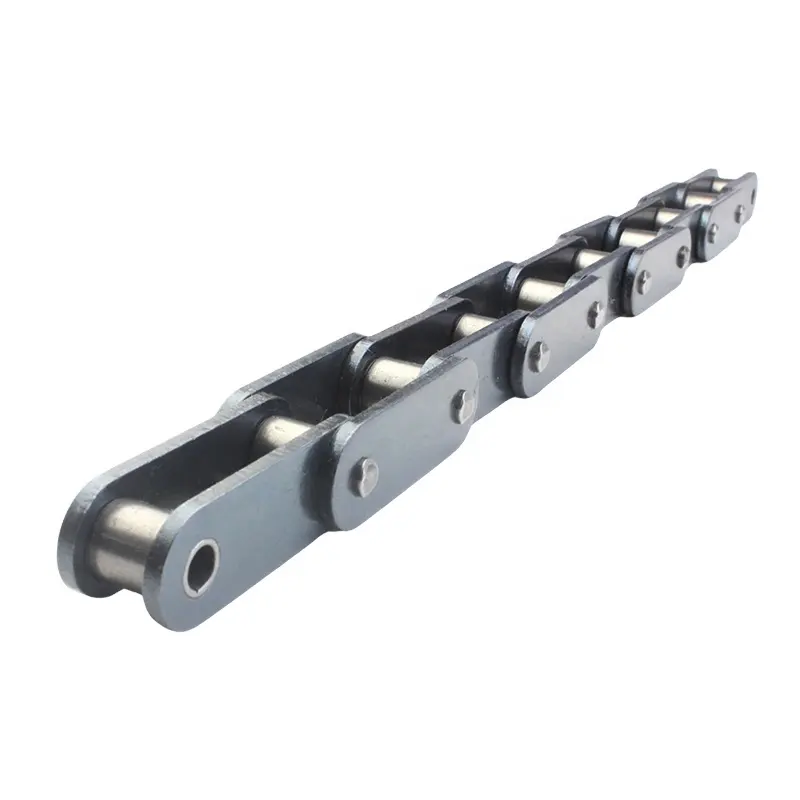
Whether an industrial chain can be repaired or needs to be replaced entirely depends on the extent of damage and the type of chain. In some cases, minor issues with an industrial chain can be repaired, while in other cases, replacement may be necessary. Here are some considerations:
- Extent of damage: If the chain has minor issues such as a damaged link or a loose pin, it may be possible to repair it by replacing the damaged component. However, if the chain has significant damage, such as severe elongation or multiple broken links, it may be more cost-effective to replace the entire chain.
- Type of chain: The repairability of an industrial chain also depends on its construction and design. Some chains, such as roller chains, can be disassembled and repaired by replacing individual components. However, other types of chains, such as welded steel chains, may be difficult or impractical to repair and may require complete replacement.
- Manufacturer’s recommendations: It is essential to consult the manufacturer’s guidelines and recommendations regarding repairs. The manufacturer can provide specific information on whether the chain can be repaired and the proper procedures to follow.
- Cost and time considerations: Repairing an industrial chain may require specialized tools, replacement parts, and technical expertise. It is important to consider the cost of repairs, including labor and materials, compared to the cost of a new chain. Additionally, repair time should be taken into account, as it may result in downtime for the equipment or production line.
Ultimately, the decision to repair or replace an industrial chain should be based on factors such as the extent of damage, the chain’s design, manufacturer’s recommendations, and cost-effectiveness. It is recommended to consult with a qualified technician or contact the manufacturer for guidance in making this determination.


editor by CX 2023-08-14