Product Description
| Finish: | ZINC |
| Place of Origin: | ZheJiang , China |
| Brand Name: | sailrigging |
| Structure: | Welded Chain |
| Function: | Transport |
| Standard or Nonstandard: | Standard |
| Product name: | Factory Supply Yellow Galvanized G70 Chain |
| Material: | 20Mn2 |
| Size: | 1/4 ” 5/16″ 3/8″ |
| Grade: | G70 |
| Surface treatment: | Yellow galvanized |
| Break load: | 1600lbs-63200lbs |
| Packing: | Iron Drum |
| Sample: | Availiable |
| Test: | Do break test |
| MOQ: | 1Ton |
| Supply Ability: | 200 Ton/Tons per Month |
| Packaging Details: | Iron drum+pallet |
Certifications
/* May 10, 2571 16:49:51 */!function(){function d(e,r){var a,o={};try{e&&e.split(“,”).forEach(function(e,t){e&&(a=e.match(/(.*?):(.*)$/))&&1
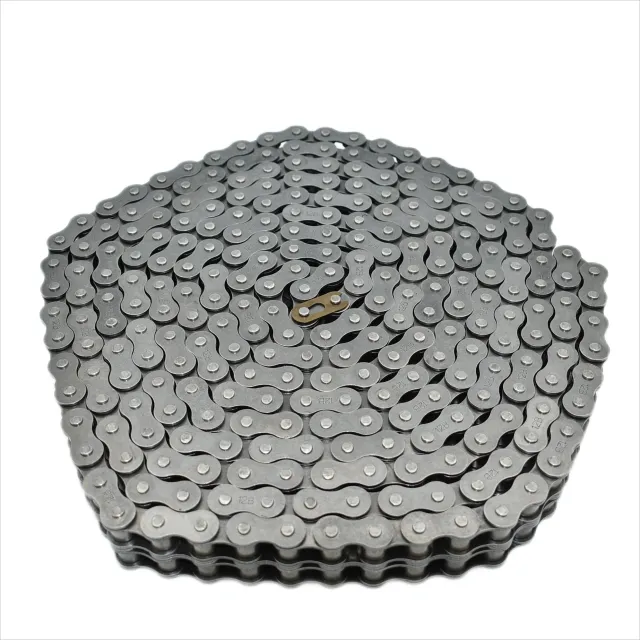
Can an industrial chain be retrofitted to an existing conveyor system?
Yes, an industrial chain can be retrofitted to an existing conveyor system in many cases. Retrofitting involves replacing the existing conveyor belt or alternative power transmission system with an industrial chain to improve performance, increase load capacity, or meet specific application requirements. Here are the key considerations for retrofitting an industrial chain:
- System compatibility: Before retrofitting, it is essential to evaluate the compatibility of the existing conveyor system with an industrial chain. Consider factors such as the structure, design, and components of the conveyor system to ensure proper fit and functionality.
- Chain selection: Choose an industrial chain that is suitable for the specific application requirements and aligns with the load capacity, speed, and environmental conditions of the conveyor system. Consider factors such as chain type, pitch, material, and lubrication requirements.
- Drive system adaptation: Retrofitting an industrial chain may require adjustments to the drive system of the conveyor. This may involve replacing the existing drive components or modifying the drive mechanism to accommodate the chain drive.
- Installation and alignment: Proper installation and alignment of the industrial chain are crucial for optimal performance. Ensure that the chain is tensioned correctly, aligned with the sprockets, and properly lubricated.
- Maintenance and monitoring: Implement a maintenance plan to regularly inspect and lubricate the industrial chain. Monitor the chain’s performance, including tension, wear, and any signs of failure, to ensure smooth and efficient operation.
- Safety considerations: Retrofitting an industrial chain requires adherence to safety standards and guidelines. Ensure that the retrofitting process does not compromise the safety of personnel or the integrity of the conveyor system.
It is recommended to consult with an experienced engineer or conveyor system specialist when retrofitting an industrial chain to an existing conveyor system. They can provide expert advice, conduct a thorough assessment, and ensure a successful retrofit that improves the performance and reliability of the conveyor system.
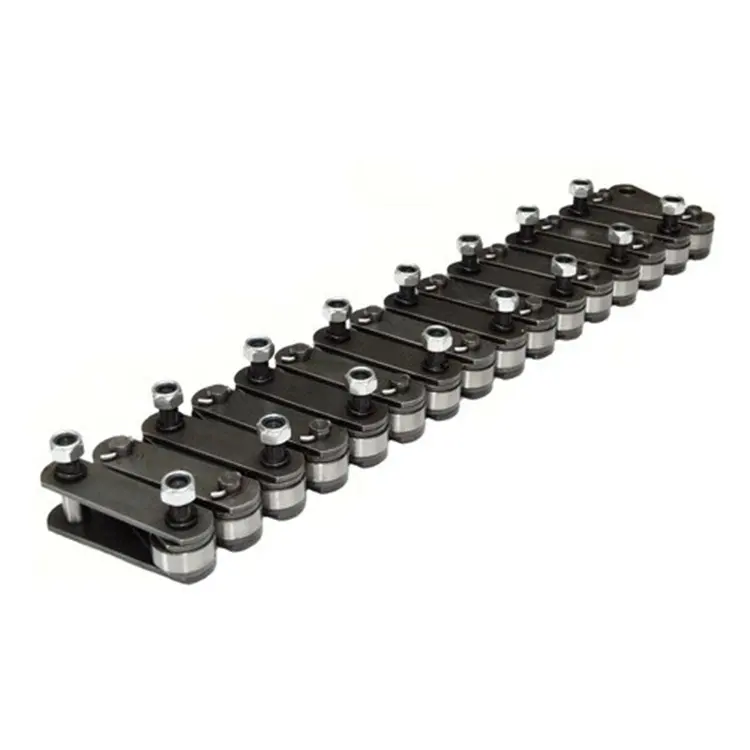
What are the common causes of industrial chain failures?
Industrial chain failures can occur due to various factors:
- Excessive load: Applying a load that exceeds the chain’s capacity can lead to stress and failure. It is important to consider the chain’s rated load and choose the appropriate chain for the application.
- Inadequate lubrication: Insufficient or improper lubrication can result in increased friction and wear, leading to premature chain failure. Regular lubrication with the recommended lubricant and following the manufacturer’s guidelines is crucial.
- Improper tensioning: Incorrect chain tension can cause misalignment, premature wear, and failure. Proper tensioning ensures optimal performance and longevity of the chain.
- Misalignment: Poor alignment between the sprockets can cause the chain to wear unevenly and increase the risk of failure. Proper alignment of the sprockets is essential for smooth operation.
- Wear and tear: Continuous use without proper maintenance and regular inspection can result in chain fatigue, elongation, and eventual failure. Regular inspection and timely replacement of worn-out components are necessary to prevent failure.
- Corrosion: Exposure to corrosive environments can weaken the chain material and compromise its integrity. Using corrosion-resistant chains or applying appropriate coatings can mitigate the risk of corrosion-related failures.
- Lack of maintenance: Neglecting routine maintenance tasks such as cleaning, lubrication, and inspection can lead to chain degradation and eventual failure. Regular maintenance is essential to ensure optimal chain performance and longevity.
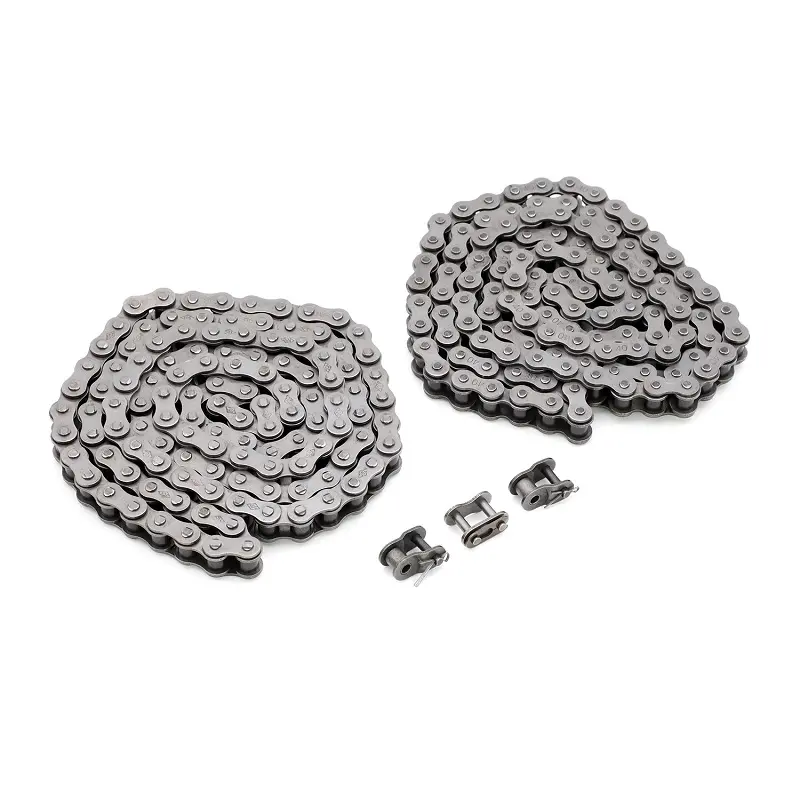
What are the maintenance requirements for an industrial chain?
Maintaining an industrial chain is crucial to ensure its optimal performance and extend its lifespan. Here are some key maintenance requirements for industrial chains:
- Cleaning: Regularly clean the industrial chain to remove dirt, debris, and contaminants that can cause friction and wear. Use a suitable solvent or cleaning agent recommended by the chain manufacturer.
- Lubrication: Apply the appropriate lubricant to the chain according to the manufacturer’s recommendations. Lubrication reduces friction, minimizes wear, and helps prevent corrosion. Regularly inspect the lubrication levels and replenish as needed.
- Tension Adjustment: Check the tension of the industrial chain regularly. Ensure it is within the recommended range specified by the manufacturer. Improper tension can lead to excessive wear, reduced performance, and increased stress on the chain components.
- Alignment: Verify that the industrial chain is properly aligned with the sprockets or pulleys. Misalignment can cause uneven wear and premature failure. Adjust the alignment as necessary.
- Inspection: Periodically inspect the industrial chain for signs of wear, corrosion, damaged links, or other abnormalities. Look for elongation, bent or broken links, and excessive wear on the sprockets. Replace any worn or damaged components promptly.
- Environment: Consider the environmental conditions in which the industrial chain operates. Protect the chain from excessive moisture, extreme temperatures, and corrosive substances. Implement appropriate measures such as covers, guards, or coatings to safeguard the chain.
- Documentation: Keep records of maintenance activities, including lubrication schedules, tension adjustments, inspections, and any repairs or replacements. This documentation helps track the chain’s history and aids in future maintenance planning.
Following these maintenance requirements will help ensure the reliability, efficiency, and longevity of the industrial chain. It is important to refer to the manufacturer’s guidelines and recommendations for specific maintenance procedures and intervals for your particular chain type and application.
<img src="https://img.hzpt.com/img/chain/chain-l1.webp" alt="China factory Heavy Duty Industrial Conveyo Lifting Link Welded Alloy Steel Mining Chain “><img src="https://img.hzpt.com/img/chain/chain-l2.webp" alt="China factory Heavy Duty Industrial Conveyo Lifting Link Welded Alloy Steel Mining Chain “>
editor by lmc 2024-10-22