
Product Description
| Diameter (mm) |
WLL/T | B.L/T | d (mm) | p (mm) | a (mm) min | b (mm) max |
| 6mm | 1.12 | 4.48 | 6±0.24 | 18±0.5 | 7.8 | 22.2 |
| 7mm | 1.5 | 6 | 7±0.28 | 21±0.6 | 9.1 | 25.9 |
| 8mm | 2 | 8 | 8±0.32 | 24±0.7 | 10.4 | 29.6 |
| 10mm | 3.15 | 12.6 | 10±0.4 | 30±0.9 | 13 | 37 |
| 13mm | 5.3 | 21.2 | 13±0.52 | 39±1.2 | 16.9 | 48.1 |
| 16mm | 8 | 32 | 16±0.64 | 48±1.4 | 20.8 | 59.2 |
| 18mm | 10 | 40 | 18±0.9 | 54±1.6 | 23.4 | 66.6 |
| 20mm | 12.5 | 50 | 20±1 | 60±1.8 | 26 | 74 |
| 22mm | 15 | 60 | 22±1.1 | 66±2.0 | 28.6 | 81.4 |
| 26mm | 21.2 | 84.8 | 26±1.3 | 78±2.3 | 33.8 | 96.2 |
| 32mm | 31.5 | 126 | 32±1.6 | 96±2.9 | 41.6 | 118 |
Proof test ar 2.5 times of the working load limit
Ultimate load is 4 tims of the working load limit
Can I get a sample before order?
sure, we provide you Free sample within 3-5 working days.
Can you accept small order?
for some normal items, we can do small quantity according your details requirement.
How about your delivery time?
25-30days
|
Shipping Cost:
Estimated freight per unit. |
To be negotiated |
|---|
| Usage: | Drag Chain |
|---|---|
| Material: | Iron |
| Surface Treatment: | Polishing |
| Samples: |
US$ 0.6/Piece
1 Piece(Min.Order) | Order Sample |
|---|
| Customization: |
Available
| Customized Request |
|---|
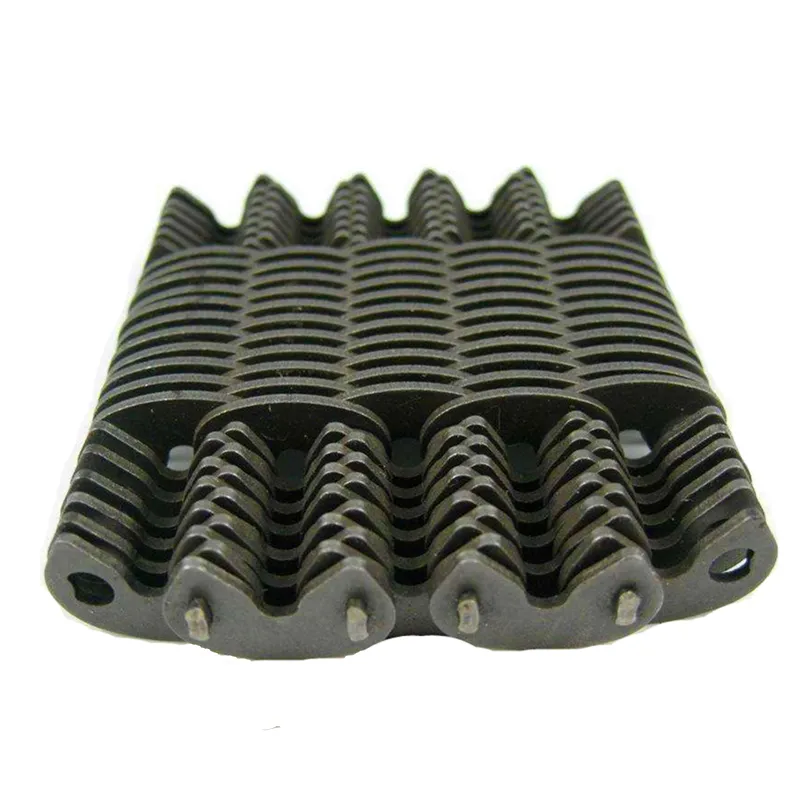
What are the benefits of using stainless steel industrial chains?
Stainless steel industrial chains offer several advantages compared to traditional chains made from other materials. Here are the key benefits of using stainless steel chains:
1. Corrosion resistance: Stainless steel is highly resistant to corrosion and oxidation, making it ideal for applications in humid or corrosive environments. It can withstand exposure to water, chemicals, and various corrosive substances without rusting or deteriorating.
2. Durability and longevity: Stainless steel chains have excellent durability and a long lifespan. They can withstand heavy loads, high temperatures, and frequent cycling without significant wear or fatigue. This reduces the need for frequent replacements, resulting in cost savings over time.
3. Strength and reliability: Stainless steel has high tensile strength and resistance to breakage. It provides reliable performance and can handle heavy-duty applications where strength and reliability are crucial.
4. Hygiene and cleanliness: Stainless steel chains are hygienic and easy to clean. They are non-porous, making them resistant to bacterial growth and contamination. This makes them suitable for industries with strict hygiene requirements, such as food processing, pharmaceuticals, and healthcare.
5. Temperature resistance: Stainless steel has excellent temperature resistance, allowing it to maintain its mechanical properties even in extreme temperature conditions. It can withstand both high and low temperatures without deformation or loss of performance.
6. Aesthetic appeal: Stainless steel chains have a polished and attractive appearance, making them suitable for applications where aesthetics matter, such as architectural or decorative purposes.
7. Versatility: Stainless steel chains are available in various sizes, configurations, and types to suit different applications. They can be found in a wide range of industries, including food processing, pharmaceuticals, chemicals, automotive, and more.
8. Easy maintenance: Stainless steel chains require minimal maintenance. They do not require regular lubrication and are easy to clean, reducing downtime and maintenance costs.
In summary, using stainless steel industrial chains provides the advantages of corrosion resistance, durability, strength, hygiene, temperature resistance, aesthetic appeal, versatility, and easy maintenance. These benefits make stainless steel chains a preferred choice in industries where reliability, longevity, and performance are crucial.
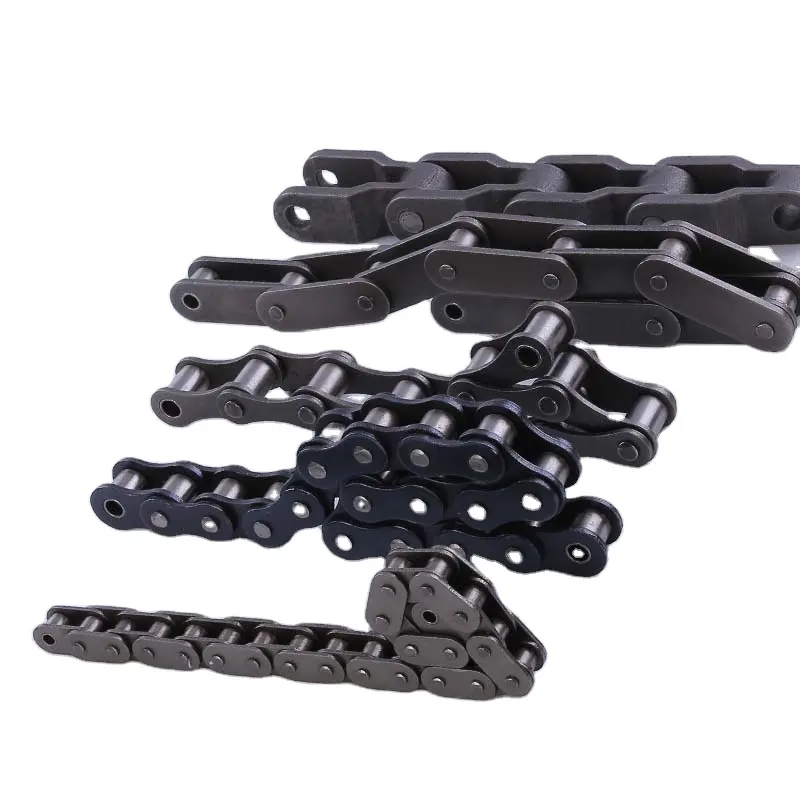
What are the industry standards and regulations for industrial chains?
There are several industry standards and regulations that govern the design, manufacturing, and use of industrial chains. These standards ensure safety, reliability, and performance consistency across different applications. Here are some prominent standards and regulations related to industrial chains:
– ISO 606: This standard specifies the design and dimensions of metric series roller chains used in industrial applications. It provides guidelines for chain pitch, roller diameter, and plate dimensions.
– ANSI/ASME B29.1: This American National Standard covers the design, dimensions, and interchangeability requirements for roller chains, including single, multiple, and double-pitch chains.
– ISO 10823: This standard focuses on the measurement and assessment of chain elongation during operation. It provides guidelines for evaluating the wear and elongation of roller chains.
– OSHA (Occupational Safety and Health Administration): OSHA sets safety standards and regulations to ensure a safe working environment. While it doesn’t specifically address industrial chains, it covers general machine guarding requirements that are applicable to chain-driven machinery.
– Machinery Directive (2006/42/EC): This European directive outlines the essential health and safety requirements for machinery and equipment. It covers aspects such as design, construction, and use of machinery, including industrial chains.
It’s important for manufacturers and users of industrial chains to be aware of these standards and regulations and ensure compliance. Adhering to these standards helps ensure the safety, reliability, and proper functioning of industrial chain systems in various industries.
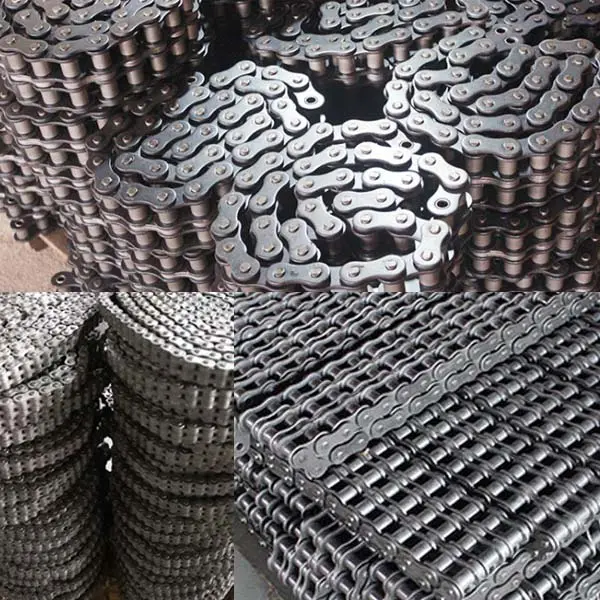
How do you select the right industrial chain for a specific application?
Selecting the right industrial chain for a specific application involves considering several factors to ensure optimal performance and longevity. Here are the steps to guide you in the selection process:
- Identify the application requirements: Understand the specific needs of your application, such as load capacity, speed, operating environment, and desired functionality.
- Determine the chain type: Based on the application requirements, choose the appropriate chain type, such as roller chains, conveyor chains, leaf chains, or specialty chains.
- Consider chain material: Evaluate the compatibility of the chain material with the operating environment, including factors like corrosion resistance, temperature resistance, and chemical resistance.
- Evaluate chain strength: Determine the required chain strength based on the anticipated loads and forces encountered in the application. Consider factors such as shock loads, tension, and fatigue resistance.
- Calculate chain length: Calculate the required chain length by considering the distance between sprockets, the desired tension, and any adjustments required for installation and maintenance.
- Check for specific features: Determine if any specific features are necessary for the application, such as self-lubricating capabilities, noise reduction, or specialized attachments.
- Consult manufacturer guidelines: Refer to the manufacturer’s guidelines and specifications for the selected chain type to ensure it meets the required standards and specifications.
- Consider maintenance and serviceability: Evaluate the chain’s maintenance requirements and ease of servicing to ensure it can be properly maintained throughout its lifespan.
- Verify compatibility: Confirm the compatibility of the selected industrial chain with the accompanying sprockets, gears, or other components to ensure proper engagement and operation.
- Consider cost-effectiveness: Assess the overall cost-effectiveness of the chain, considering factors such as initial cost, maintenance expenses, and expected lifespan.
By following these steps and considering the specific requirements of your application, you can select the right industrial chain that meets your operational needs and ensures reliable and efficient performance.


editor by CX 2023-08-30