
Product Description
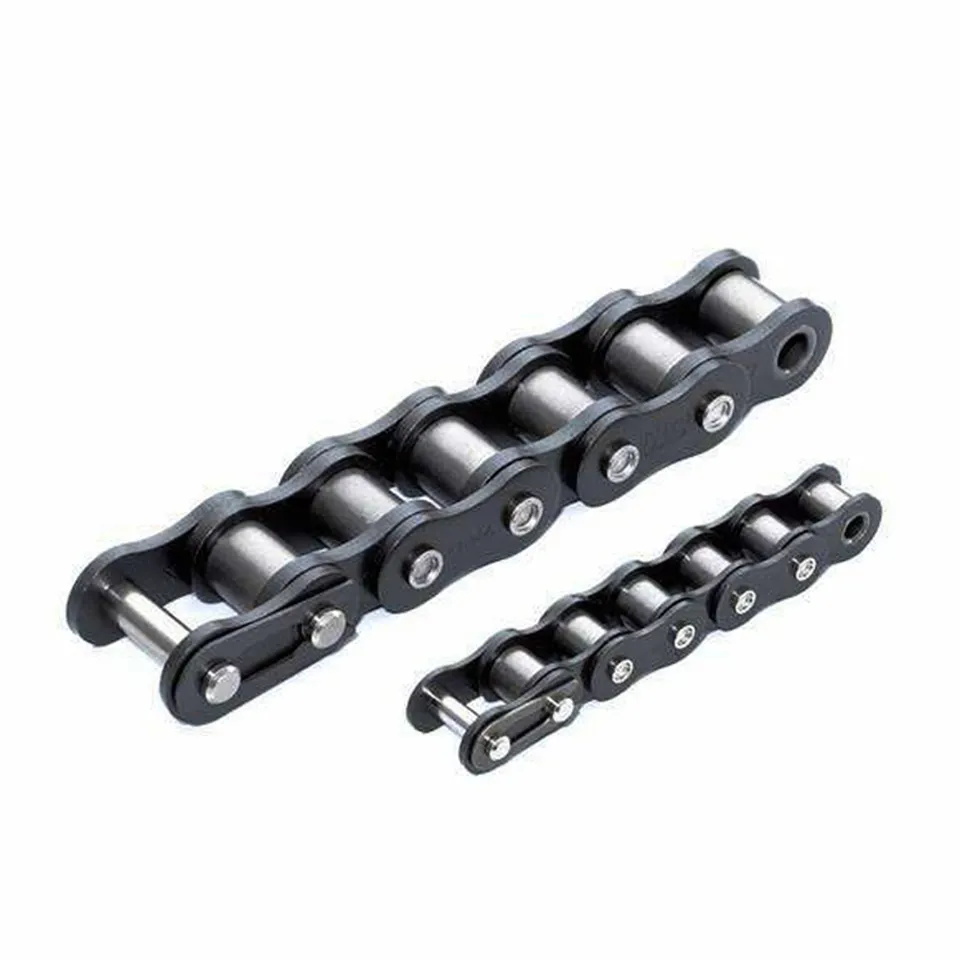
| Item | Standard Transmission Roller Chains | Model | Series A, Series B, Heavy Duty |
| Row | Simplex/Duplex/Triplex | Application | Machinery Parts |
| Surface Teatment | Self-color/Sand-blasted/Shot-peening | Brand | OEM |
| Package | Poly bag, then box, finally poly-wooden case | Port | Any sea port or airport in China |
| A Series | 03C,04C-1,06C-1,085-1,08A-1,10A-1,12A-1,16A-1,20A-1,24A-1,28A-1,32A-1,36A-1,40A-1,48A-1. 15,25-1,35-1,41-1,40-1,50-1,60-1,80-1,100-1,120-1,140-1,160-1,180-1,200-1,240-1. | ||
| 04C-2,06C-2,085-2,08A-2,10A-2,12A-2,16A-2,20A-2,24A-2,28A-2,32A-2,36A-2,40A-2,48A-2. 15,25-2,35-2,41-2,40-2,50-2,60-2,80-2,100-2,120-2,140-2,160-2,180-2,200-2,240-2. | |||
| 04C-3,06C-3,085-3,08A-3,10A-3,12A-3,16A-3,20A-3,24A-3,28A-3,32A-3,36A-3,40A-3,48A-3. 15,25-3,35-3,41-3,40-3,50-3,60-3,80-3,100-3,120-3,140-3,160-3,180-3,200-3,240-3. | |||
| B Series | 05B-1,06B-1,08B-1,10B-1,12B-1,16B-1,20B-1,24B-1,28B-1,32B-1,40B-1,48B-1,56B-1,64B-1,72B-1. | ||
| 05B-2,06B-2,08B-2,10B-2,12B-2,16B-2,20B-2,24B-2,28B-2,32B-2,40B-2,48B-2,56B-2,64B-2,72B-2. | |||
| 05B-3,06B-3,08B-3,10B-3,12B-3,16B-3,20B-3,24B-3,28B-3,32B-3,40B-3,48B-3,56B-3,64B-3,72B-3. | |||
| Heavy Duty Type | 35H-1,40H-1,50H-1,60H-1,80H-1,100H-1,120H-1,140H-1,160H-1,180H-1,200H-1,240H-1. | ||
| 35H-2,40H-2,50H-2,60H-2,80H-2,100H-2,120H-2,140H-2,160H-2,180H-2,200H-2,240H-2. | |||
| 35H-3,40H-3,50H-3,60H-3,80H-3,100H-3,120H-3,140H-3,160H-3,180H-3,200H-3,240H-3. | |||
| Standard or Nonstandard: | Standard/Nonstandard |
|---|---|
| Application: | Textile Machinery, Garment Machinery, Conveyer Equipment, Packaging Machinery, Motorcycle, Food Machinery, Marine, Mining Equipment, Agricultural Machinery, Car |
| Surface Treatment: | Polishing |
| Structure: | Roller Chain |
| Material: | Carbon Steel/Stainless Steel |
| Type: | Short Pitch Chain |
| Samples: |
US$ 5/Several links of standard chain
1 Several links of standard chain(Min.Order) | |
|---|
| Customization: |
Available
| Customized Request |
|---|
What are the benefits of using plastic industrial chains?
Plastic industrial chains offer several advantages in various applications. Here are some benefits of using plastic industrial chains:
- Corrosion resistance: Plastic chains are highly resistant to corrosion, making them suitable for use in corrosive environments where metal chains may degrade over time.
- Chemical resistance: Plastic chains can withstand exposure to a wide range of chemicals without deteriorating, making them ideal for applications in chemical processing or handling.
- Lightweight: Plastic chains are significantly lighter than their metal counterparts, reducing the overall weight of the system and allowing for easier handling and installation.
- Low noise: Plastic chains produce less noise during operation compared to metal chains, making them suitable for applications where noise reduction is important, such as in food processing or packaging.
- Self-lubricating: Some plastic chains are designed with self-lubricating properties, reducing the need for frequent lubrication and maintenance.
- High strength: Despite their lightweight nature, plastic chains can still provide high tensile strength and load-bearing capabilities, making them suitable for various heavy-duty applications.
- Low friction: Plastic chains exhibit low friction characteristics, resulting in smoother and more efficient operation, reducing power consumption and wear.
- Design flexibility: Plastic chains can be molded into various shapes and sizes, allowing for customization and adaptation to specific application requirements.
- Cost-effective: Plastic chains are often more cost-effective compared to metal chains, making them an economical choice for many industrial applications.
Plastic industrial chains offer a range of benefits, including resistance to corrosion, chemicals, and noise, lightweight design, self-lubrication, and design flexibility, making them suitable for a wide range of industries and applications.
What are the noise levels associated with industrial chains?
The noise levels associated with industrial chains can vary depending on several factors, including chain design, lubrication, and operating conditions.
Chain Design: The design of the industrial chain, including the type of chain and its construction, can impact noise levels. Chains with smoother surfaces and precision manufacturing techniques tend to produce less noise.
Lubrication: Proper lubrication of the chain is essential for reducing noise. Applying a suitable lubricant to the chain can minimize friction and vibration, resulting in quieter operation.
Operating Conditions: The operating conditions of the industrial chain, such as the load, speed, and tension, can also affect noise levels. Higher loads and speeds, as well as inadequate tensioning, can increase noise levels.
Overall, it is important to consider noise levels when using industrial chains, particularly in noise-sensitive environments. Implementing proper chain design, regular lubrication, and maintaining appropriate operating conditions can help minimize noise and create a more comfortable work environment.
How do you select the right industrial chain for a specific application?
Selecting the right industrial chain for a specific application involves considering several factors to ensure optimal performance and longevity. Here are the steps to guide you in the selection process:
- Identify the application requirements: Understand the specific needs of your application, such as load capacity, speed, operating environment, and desired functionality.
- Determine the chain type: Based on the application requirements, choose the appropriate chain type, such as roller chains, conveyor chains, leaf chains, or specialty chains.
- Consider chain material: Evaluate the compatibility of the chain material with the operating environment, including factors like corrosion resistance, temperature resistance, and chemical resistance.
- Evaluate chain strength: Determine the required chain strength based on the anticipated loads and forces encountered in the application. Consider factors such as shock loads, tension, and fatigue resistance.
- Calculate chain length: Calculate the required chain length by considering the distance between sprockets, the desired tension, and any adjustments required for installation and maintenance.
- Check for specific features: Determine if any specific features are necessary for the application, such as self-lubricating capabilities, noise reduction, or specialized attachments.
- Consult manufacturer guidelines: Refer to the manufacturer’s guidelines and specifications for the selected chain type to ensure it meets the required standards and specifications.
- Consider maintenance and serviceability: Evaluate the chain’s maintenance requirements and ease of servicing to ensure it can be properly maintained throughout its lifespan.
- Verify compatibility: Confirm the compatibility of the selected industrial chain with the accompanying sprockets, gears, or other components to ensure proper engagement and operation.
- Consider cost-effectiveness: Assess the overall cost-effectiveness of the chain, considering factors such as initial cost, maintenance expenses, and expected lifespan.
By following these steps and considering the specific requirements of your application, you can select the right industrial chain that meets your operational needs and ensures reliable and efficient performance.


editor by CX 2023-10-31