The nuclear fuel handling machine (FHM) stands as one of the most safety-critical mechanisms in modern nuclear power generation. Tasked with loading and unloading fuel assemblies with millimetre-grade precision — often in radiation-contaminated zones, submerged in pool water, or within the pressurised confines of a reactor building — these machines require chain drive systems that operate far beyond the ordinary parameters of standard industrial engineering. A single chain failure during a refuelling outage can halt electricity generation for days and trigger mandatory regulatory reporting obligations with the Office for Nuclear Regulation (ONR). This is precisely the environment for which Mega Chain has engineered its nuclear-grade chain drive range. Drawing on over 18 years of applied experience across nuclear power generation, petrochemical processing, and heavy industry, Mega Chain designs and manufactures precision chain transmission systems that meet the exacting demands of nuclear fuel handling machines deployed across the United Kingdom’s operating reactor fleet. Our engineering team collaborates closely with plant operators, outage management contractors, and OEM machine manufacturers to deliver bespoke chain solutions where commercial off-the-shelf products are simply not acceptable. When the stakes are measured in reactor availability and safety case compliance, every link in the chain matters.
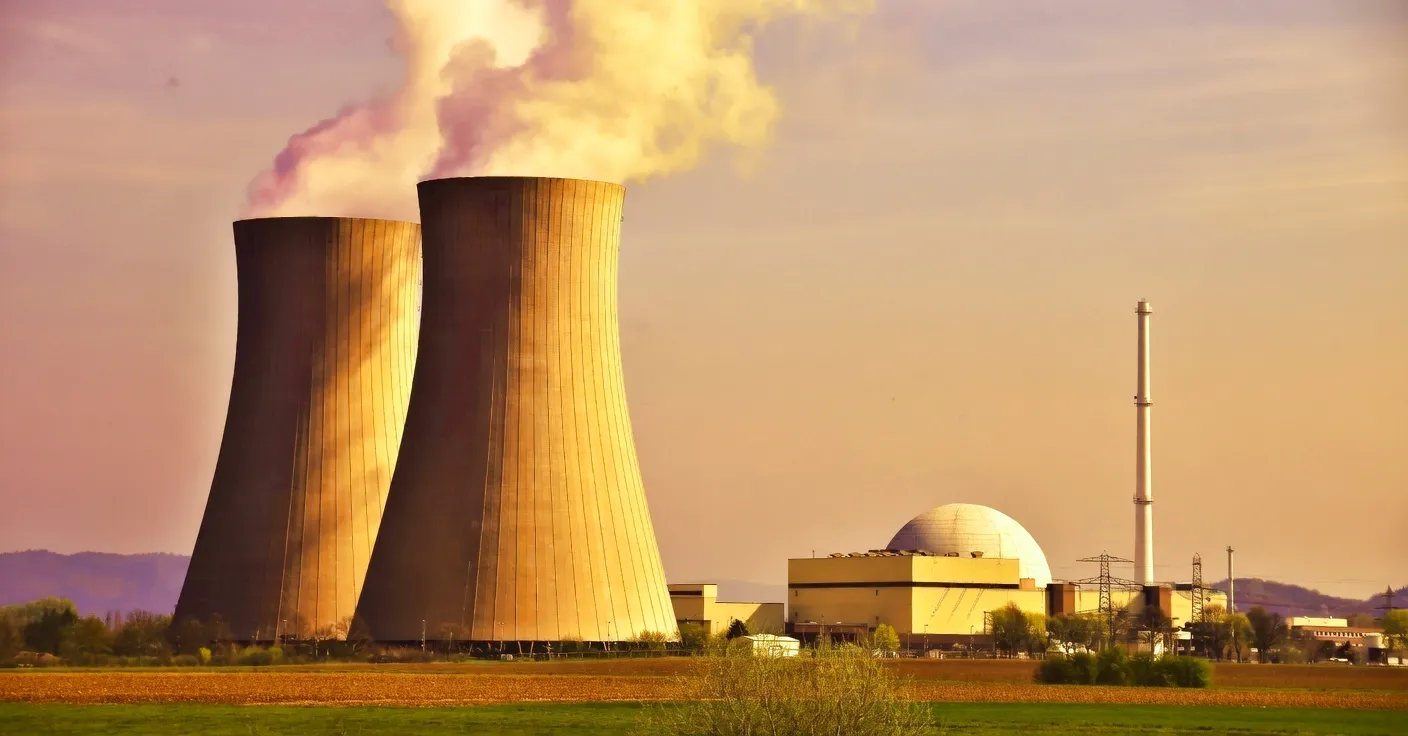
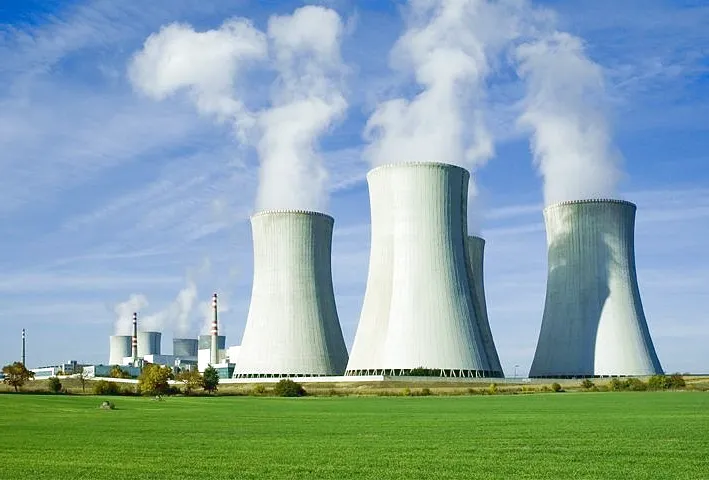 Mega Chain nuclear-grade precision chain drives — engineered and supplied for UK nuclear fuel handling machines
Why Nuclear Fuel Handling Demands Precision Chain Drives
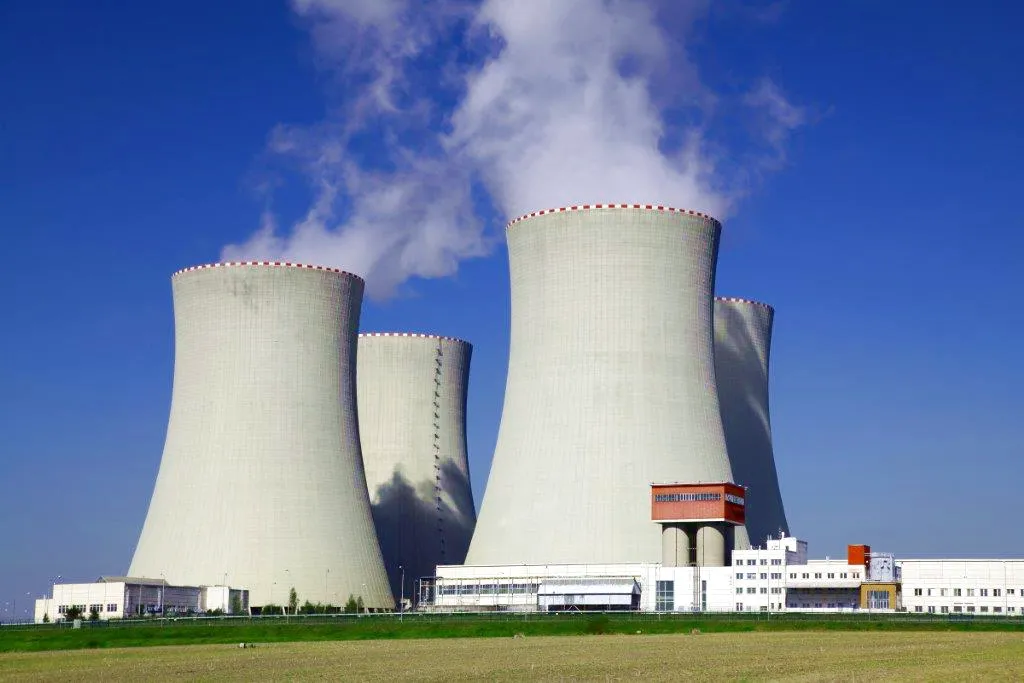 The chain drive system within a nuclear fuel handling machine is not a passive component that simply transmits torque from one shaft to another. It is a safety-classified mechanism that must perform with absolute predictability during every refuelling cycle, typically scheduled every 12 to 24 months at a given reactor unit. During a refuelling outage, the fuel handling machine operates directly above or within the reactor vessel, manoeuvring fuel assemblies that weigh several hundred kilograms and contain highly radioactive fissile material. The kinematic chain controlling vertical hoisting, horizontal traversal, and rotational positioning of the fuel gripper must maintain positional accuracy to within fractions of a millimetre throughout millions of load cycles across a service life spanning ten to fifteen years or more. In UK-licensed nuclear power stations, this chain forms part of the safety case and is subject to periodic review by the ONR — any departure from specified condition or performance must be reported and justified.
What makes nuclear fuel handling chain drives fundamentally different from their counterparts in any conventional industrial application is the layered combination of physical constraints and regulatory obligations that govern every component selection decision. Chain elongation — the gradual increase in effective pitch that occurs as roller and bush surfaces wear under cyclic loading — is a well-understood concern in any precision drive system. In nuclear fuel handling machines, however, even minor elongation introduces positional drift that can misalign the fuel assembly gripper with individual reactor core grid positions. The consequences are not merely mechanical inconvenience; they carry safety implications that nuclear regulators scrutinise in detail during periodic safety reviews and during outage notifications submitted by the licensee. This is why Mega Chain’s nuclear chain drives are engineered to an elongation criterion of less than 0.3% at end-of-service-life — five times stricter than standard industrial acceptance thresholds.
Nuclear environments impose radiation dose fields that degrade elastomeric seal materials over time, accelerate surface corrosion in standard carbon steel components, and sharply restrict the frequency with which maintenance personnel can access drive systems for inspection or re-lubrication. Extended working in high-dose radiation areas — typical around fuel handling machine drive trains — accumulates occupational exposure that directly affects outage cost and personnel safety management. Mega Chain’s nuclear-grade chain drives address each of these constraints through deliberate material selection, precision surface engineering, and self-lubricating design features that extend service intervals and maintain performance integrity across the full licensed operating life of the equipment. Every Mega Chain nuclear supply starts with a detailed technical review against the customer’s specification and safety case requirements, ensuring that the chain we manufacture is the chain that was designed into the system.
Engineering Principles Behind Mega Chain Nuclear Drive Systems
 The metallurgical foundation of every Mega Chain nuclear fuel handling drive begins with the selection of base material against the specific environmental duties of the application. For nuclear wet environments — including pressurised water reactor fuel transfer canals and spent fuel storage ponds — Mega Chain specifies AISI 316L austenitic stainless steel as the standard chain body material. The low-carbon variant of 316 offers excellent resistance to the dilute boric acid solutions used for reactivity control in PWR fuel pools, and its austenitic microstructure remains ductile under the cumulative gamma dose fields encountered in fuel handling areas over multi-year service periods. For applications where higher tensile strength is required alongside full corrosion resistance — such as the primary hoist chain of a fuel transfer machine operating in a higher-load environment — duplex stainless steel or precipitation-hardened nickel-base alloy variants can be specified. These advanced materials deliver tensile strengths exceeding 1,400 N/mm² whilst maintaining dimensional stability across the full operating temperature range, providing the safety margin that nuclear fuel handling applications demand.
Pitch precision in a Mega Chain nuclear drive is achieved through a combination of manufacturing discipline and exhaustive post-production dimensional verification. Each chain link component — inner plates, outer plates, pins, bushes, and rollers — is machined or formed to tolerances significantly tighter than those mandated by ISO 606 or BS EN 28749. Following assembly, pitch accuracy across the full chain length is measured using calibrated optical measurement equipment traceable to national measurement standards, with individual pitch readings recorded at every link. This complete measurement dataset is retained as part of the supply documentation package. Traceability of this kind is not optional for nuclear supply; it is a contractual baseline requirement under the nuclear quality assurance frameworks applied by UK licensed operators and their Tier 1 supply chain partners. Our quality management system is structured to generate and maintain these records as a natural output of the production process, not as a retrospective administrative exercise.
Lubrication management in nuclear fuel handling chains presents a challenge that distinguishes nuclear supply from almost any other application. Conventional petroleum-based lubricants can become activated under neutron irradiation fields near the reactor core, generating radioactive isotopes that create waste management obligations and complicate decommissioning planning. Mega Chain addresses this challenge by offering dry-film lubricated and self-lubricating chain variants that use PTFE-based films or sintered polymer bushings to provide adequate lubrication at the contact interfaces throughout the service life without requiring periodic re-lubrication by personnel working in radiation-restricted areas. For fully submerged fuel handling applications, specially formulated aqueous lubricants compatible with reactor pool water chemistry — including boric acid pH-adjusted environments — are available as an alternative, with lubrication compatibility assessment included as part of the engineering specification review process.
Technical Specification Overview
The table below summarises the principal technical parameters of Mega Chain’s nuclear-grade chain drive range for fuel handling machine applications. All figures are achievable within our standard nuclear production scope; specific values for your project are confirmed through the engineering specification review process that precedes every nuclear order.
| Parameter | Standard Industrial | Nuclear Grade (Mega Chain) |
|---|---|---|
| Chain Type | Roller chain, leaf chain | Nuclear-qualified precision roller / duplex chain |
| Pitch Range | 12.70 mm – 76.20 mm | Standard range + custom pitch on request |
| Pitch Accuracy | ±0.05 mm (ISO 606) | ±0.01 mm (nuclear precision grade) |
| Breaking Strength | Up to 250 kN | Up to 450 kN (engineered on request) |
| Primary Material | Carbon steel, 304 SS | 316L SS, duplex SS, Inconel 625 (bespoke) |
| Operating Temp. Range | -20°C to +150°C | -40°C to +200°C |
| Radiation Tolerance | Not rated | Up to 107 Gy cumulative gamma dose |
| Elongation Limit (EOL) | < 1.0% | < 0.3% (nuclear wear-control specification) |
| Surface Treatment | Zinc-plated, shot-peened | Electropolished, passivated, PTFE dry-film |
| Compliance Standards | ISO 606, BS EN 28749 | ISO 606 + nuclear QA framework, UKAS-traced |
| Documentation Package | Standard delivery note | MTR, dim. records, tensile cert, CoC, QP |
Key Advantages of Mega Chain Nuclear Fuel Handling Systems
Radiation-Resistant Component Selection
Every metallic component used in a Mega Chain nuclear fuel handling drive is selected and verified for stability under the gamma and neutron dose fields encountered in fuel handling areas. Our nuclear chain assemblies undergo gamma irradiation validation testing to confirm dimensional and mechanical stability at cumulative dose levels representative of multi-year service in reactor buildings and fuel storage facilities. This eliminates radiation-induced material degradation as an unplanned maintenance concern across the service life of the equipment.
Ultra-Tight Pitch Accuracy — ±0.01 mm
Mega Chain nuclear precision chains are manufactured to a pitch tolerance of ±0.01 mm — five times tighter than the ISO 606 standard requirement. This exacting dimensional control ensures the fuel gripper positioning system maintains accurate alignment with every reactor core grid location across the complete travel envelope of the fuel handling machine. Consistent pitch accuracy across all links is verified by 100% measurement and recorded in the delivered documentation package.
Extended Service Life Between Outages
Nuclear fuel handling machines operate under strict access restrictions between planned maintenance outages, often spanning 18 months or more. Mega Chain’s nuclear chains are engineered for service lives matching these extended intervals through optimised surface hardness profiles, precision-aligned component geometry, and self-lubricating variants that maintain adequate film protection for ten or more years of fuel handling duty cycles. Reduced maintenance frequency directly lowers occupational radiation exposure and outage costs.
Complete Nuclear QA Documentation
Every Mega Chain nuclear supply is accompanied by a fully traceable quality documentation package — material test reports with melt traceability, 100% pitch measurement records, UKAS-referenced tensile test certificates, surface treatment verification, and a signed certificate of conformance to the agreed quality plan. This comprehensive documentation trail directly supports your nuclear site’s records management and traceability obligations under ONR regulatory requirements, reducing document review time during quality assurance audits.
Pool-Rated Corrosion Resistance
Spent fuel pools present a chemically aggressive environment for metallic drive components. Boric acid solutions, controlled pH chemistry, and demineralised water conditions that rapidly attack standard carbon steel chains pose no challenge to Mega Chain’s 316L stainless steel nuclear assemblies. Following manufacture, all pool-rated chains are electropolished and passivated in accordance with ASTM A380, creating a depleted-chrome passive layer that maximises corrosion resistance and maintains pool water compatibility throughout the service life of the chain.
Dedicated Nuclear Engineering Support
Our nuclear applications engineers are involved from initial specification review to factory acceptance, ensuring that the chain drive delivered matches the requirements that were designed into the safety case. Whether specifying a replacement chain for an existing AGR fuel handling machine or developing the drive system for a new-build EPR fuel transfer car, Mega Chain’s engineering team brings direct project experience that reduces specification risk and helps customers avoid the costly delays caused by documentation non-conformances discovered late in the outage preparation cycle.
Application Scenarios: Where Mega Chain Nuclear Drives Operate
Mega Chain nuclear-grade chain drives are deployed across a broad range of fuel handling machine configurations and reactor types operating within the UK nuclear fleet. Each application presents distinct loading characteristics, environmental conditions, and positional accuracy requirements, all of which inform the chain specification, material selection, and documentation scope. The following scenarios represent the principal deployment contexts for our nuclear chain drive systems in the United Kingdom.
⚛ Fuel Loading / Unloading Machines — AGR Fleet
Advanced gas-cooled reactors at Heysham, Torness, and Hartlepool in the UK operate continuous or semi-continuous on-load refuelling systems. The chain drives within AGR fuel handling machines sustain frequent start-stop duty cycles under moderate loads whilst resisting the elevated temperature conditions and CO2 atmosphere of the reactor gas circuit. Mega Chain supplies precision chain systems for both the principal hoist drive and lateral traversal mechanisms on these machines, with special attention to thermal expansion management in chain length specification.
🚢 Fuel Transfer Cars — PWR Applications
At Sizewell B — the United Kingdom’s sole commercial pressurised water reactor — fuel transfer cars move fuel assemblies through a flooded transfer canal connecting the reactor building with the fuel building. The chain drive systems on these cars operate under full immersion in boric acid-treated pool water, requiring 316L stainless steel chains with PTFE dry-film lubrication and passivated surfaces. Mega Chain’s underwater fuel handling chain range has been developed specifically for these demanding continuous-immersion conditions, with service life validated against pool water chemistry exposure.
🗂 Spent Fuel Storage and Retrieval Systems
Interim spent fuel storage facilities — including MAGNOX fuel storage ponds and AGR spent fuel skips — use chain-driven retrieval and transfer systems to move highly radioactive assemblies under water at sites such as Sellafield and various AGR station ponds. These systems may remain in active service for decades, placing exceptional long-term demands on chain corrosion resistance and structural integrity. Mega Chain provides chains designed and verified to maintain performance across 20-year service life targets in pond water, directly supporting NDA decommissioning programme timelines.
🔍 New Nuclear Construction — Hinkley Point C
With the EPR units at Hinkley Point C in Somerset progressing through construction and equipment supply, UK nuclear Tier 1 and Tier 2 contractors are procuring precision chain components for fuel handling systems that will serve the new reactors for their 60-year design life. Mega Chain is actively engaged with HPC supply chain partners, providing pre-qualification documentation and prototype chain samples for design validation testing. Early supplier engagement ensures that the nuclear quality case for chain drive components is established before manufacturing begins, avoiding expensive rework at the procurement stage.
Serving the UK Nuclear Power Industry
The United Kingdom operates one of the most technically diverse reactor fleets in Europe, with operating nuclear power stations distributed from Somerset on the south-west coast to Torness on the Scottish east coast. Sites including Heysham 1 and 2 in Lancashire, Hartlepool in County Durham, Dungeness B in Kent, and Sizewell B in Suffolk each have distinct refuelling cycles and fuel handling machine configurations. As a UK-based precision chain supplier with established relationships across the nuclear supply chain — encompassing plant operators, outage contractors, and specialist maintenance companies — Mega Chain understands both the technical requirements and the procurement logistics that govern nuclear component supply in Britain. We are registered with the nuclear industry’s supplier portals and hold the quality management system certification needed to satisfy UK nuclear site approved vendor requirements.
Our supply operations are structured to meet the accelerated delivery requirements that frequently characterise outage-driven procurement. Nuclear outage windows are finite and costly — a day of delay at a 1.2 GW reactor can represent significant lost generation revenue. Mega Chain maintains a stockholding programme for the most commonly specified nuclear-grade chain pitch and material combinations, enabling rapid despatch without compromising dimensional verification or documentation completeness. When an outage schedule brings forward a planned chain replacement, our production team can work to expedited programmes whilst maintaining the full quality discipline that nuclear supply demands. All supply documentation is retained in a secure document management archive aligned with the long-term records retention obligations of UK nuclear licensed sites — typically 30 years or beyond.
The Nuclear Decommissioning Authority’s programme to safely decommission and clean up the UK’s civil nuclear legacy sites — including Magnox stations, research reactors, and fuel cycle facilities — generates sustained demand for precision chain drive components in remote-handling equipment, flask handling rigs, and waste retrieval machines. Mega Chain is an active supplier to decommissioning programme contractors, bringing the same nuclear quality rigour to decommissioning chain supply as to operational reactor fuel handling. Whether your project is in Somerset, Suffolk, Lancashire, Kent, or north of the border in Scotland, Mega Chain has the capability and the supply chain understanding to support your requirements on time and in full.
Customer Success: PWR Fuel Transfer Chain Replacement, Eastern England
UK Nuclear — PWR Fuel Handling
Suffolk, England
Precision Replacement Chain Drives for Pressurised Water Reactor Fuel Transfer System
Background: An established UK nuclear services contractor, operating under framework agreement with a licensed nuclear site operator at a pressurised water reactor in eastern England, identified approaching wear limits in the chain drives of the reactor’s fuel transfer car during a scheduled periodic inspection. The existing chains — installed more than a decade previously — had reached the manufacturer’s elongation acceptance threshold, and the plant’s maintenance engineering team elected to replace them during the upcoming refuelling outage rather than carry the risk of in-service failure during fuel movements.
Challenge: The original chain drives had been supplied by a European manufacturer whose documentation package did not satisfy the site’s current nuclear quality assurance requirements under updated ONR regulatory expectations. A direct like-for-like replacement was not achievable without significant document retrospection. The contractor required a chain solution that could be fully qualified under their nuclear safety case, delivered within the short window available before the outage, and accompanied by a complete documentation package with full material traceability to melt origin — a non-negotiable requirement for safety-classified components at this site.
Mega Chain Solution: Working with the contractor’s mechanical engineering team over a 12-week pre-outage preparation period, Mega Chain developed and manufactured a precision 316L stainless steel chain assembly to ±0.01 mm pitch tolerance. The chains were electropolished, PTFE dry-film lubricated, and passivated to ASTM A380 to ensure full compatibility with the reactor’s fuel transfer canal water chemistry. The documentation package included mill certificates traceable to cast numbers, 100% pitch measurement records across the full chain length, a tensile test certificate from a UKAS-accredited test facility, and a certificate of conformance signed against the project-specific quality plan agreed with the contractor’s QA team.
Outcome: The replacement chain drives were installed during the planned refuelling outage without modification, positional anomaly, or document query. The chains performed without measurable elongation beyond the project’s acceptance criterion through two subsequent refuelling cycles spanning four years of operation. The contractor formally placed Mega Chain on their approved vendor list for nuclear chain drive components, and the framework agreement has since been extended to cover chain supply at two additional UK nuclear sites within the same operating organisation.
What Our Clients Say
The level of technical support Mega Chain provided during our pre-outage preparation was genuinely impressive. Their team understood nuclear quality requirements from day one — we didn’t have to educate them from scratch. The chains were installed without any remedial work, correctly fitting and correctly documented. First time, on time.
We have worked with standard chain suppliers in the past and always spent more time resolving documentation gaps than managing the job itself. Mega Chain’s nuclear documentation package was complete and traceable — accepted by the site quality team without a single query raised. That outcome alone saved us at least a week of outage preparation time.
Specifying chain components for new-build nuclear equipment is always challenging — you need suppliers who can speak the language of nuclear quality assurance without being guided through every requirement. Mega Chain reviewed our design specification, raised sensible engineering clarifications, and delivered prototype chains for factory acceptance testing on schedule. They are now on our preferred vendor register.
Custom Chain Manufacturing: Engineered to Your Nuclear Specification
No two nuclear fuel handling machine applications are exactly the same. The technical diversity of the UK reactor fleet — spanning AGR stations with on-load refuelling systems, Sizewell B’s batch-fuelled PWR architecture, NDA decommissioning facilities with decades-old handling equipment, and the new EPR units at Hinkley Point C in Somerset — means that chain drive systems must be tailored to specific mechanical, dimensional, and materials requirements that standard catalogue products cannot satisfy. Mega Chain‘s in-house manufacturing capability encompasses every stage of the production process — design review, raw material sourcing and qualification, precision machining and forming, component assembly, 100% dimensional verification, and functional testing — all under a single integrated quality management system. This gives our customers one point of accountability and a single set of quality records covering the entire manufacturing scope of their chain supply.
Our customisation capability is comprehensive. At one end of the spectrum, it encompasses straightforward modifications: adjusting chain length to a specific assembly dimension, adding connecting links with non-standard tolerance features, or modifying pin retaining geometry to interface with existing machine components. At the other end, it involves full bespoke chain drive development from a customer-supplied engineering drawing package — or, when original design documentation no longer exists, reverse engineering from a physical sample using our coordinate measurement facilities to recreate the dimensional specification with fully traceable inspection records. We maintain tooling for non-standard pitches outside the ISO range and can produce pre-production prototype quantities within our standard lead time framework, enabling customer evaluation and design confirmation before full production is committed.
Our factory quality management system is designed to satisfy the procurement requirements of UK nuclear licensed operators and their supply chain contractors. Every nuclear order is processed under a project-specific quality plan that defines inspection points, hold and witness opportunities, and documentation requirements agreed with the customer before manufacturing begins. Factory acceptance testing can be accommodated for customers and third-party inspection bodies, with test results formally documented and included in the final handover pack. Our supply documentation archive retains records in a format aligned with nuclear sites’ long-term document retention obligations — providing confidence that the chain drive supply records will remain accessible to support plant life extension decisions and decommissioning planning decades in the future. For any bespoke nuclear chain drive project, we encourage early engagement — contact our team to begin the engineering specification review process today.
Frequently Asked Questions
📌 FAQPage + Speakable structured data markup should be added via your WordPress SEO plugin (RankMath or Yoast SEO) for complete schema support on this section.
Ready to Specify Your Nuclear Fuel Handling Chain Drive?
Our nuclear applications engineers are ready to review your specification, answer technical questions, and provide a detailed quotation for your project. Contact us today for fast, expert response.
edit by gzl